· Awards and Honors · 3 min read
New Achievement 🏆: AI Cube Lab Teams Win a National Second Prize and an Excellence Award at the China Robot and AI Competition
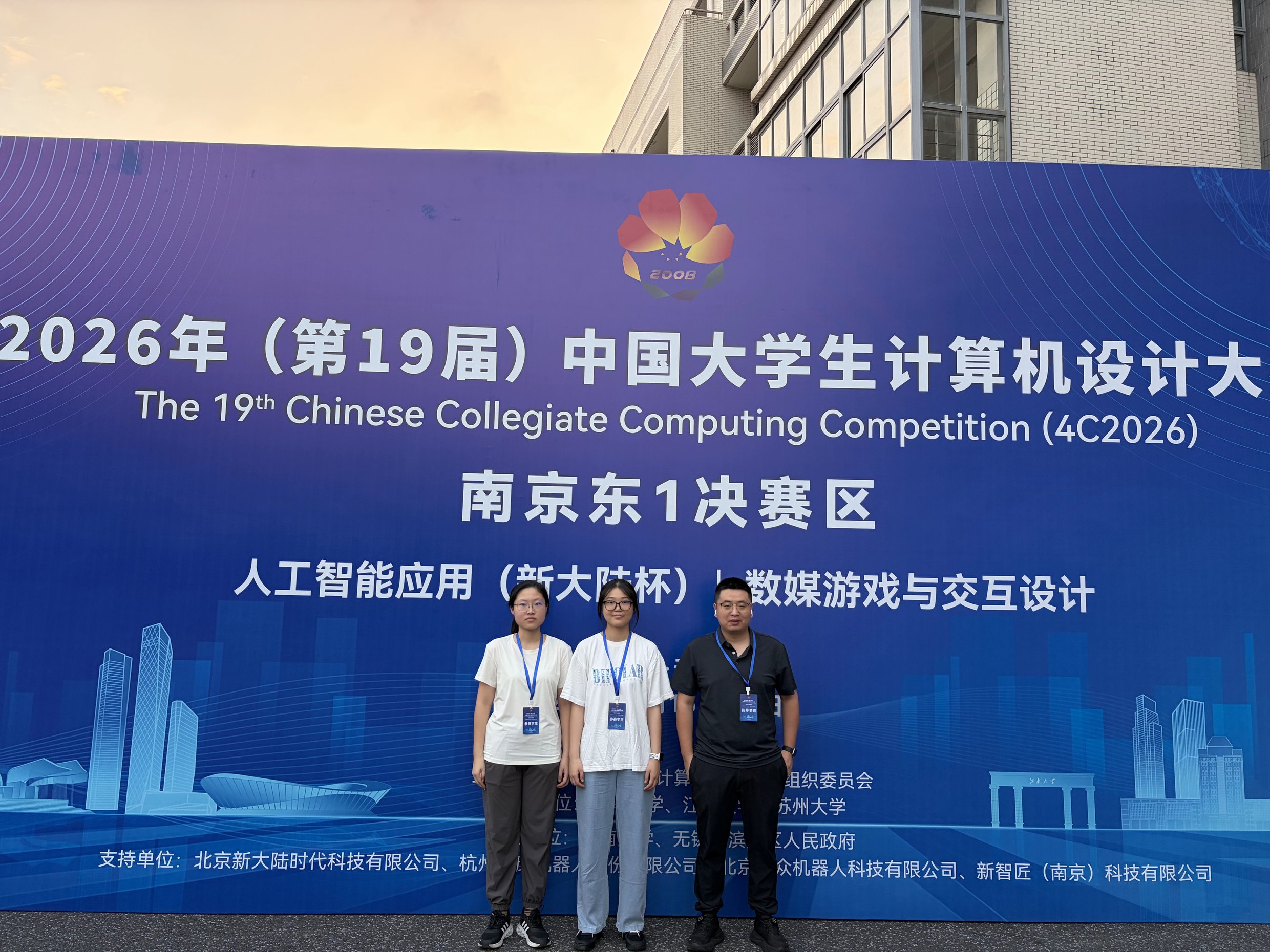
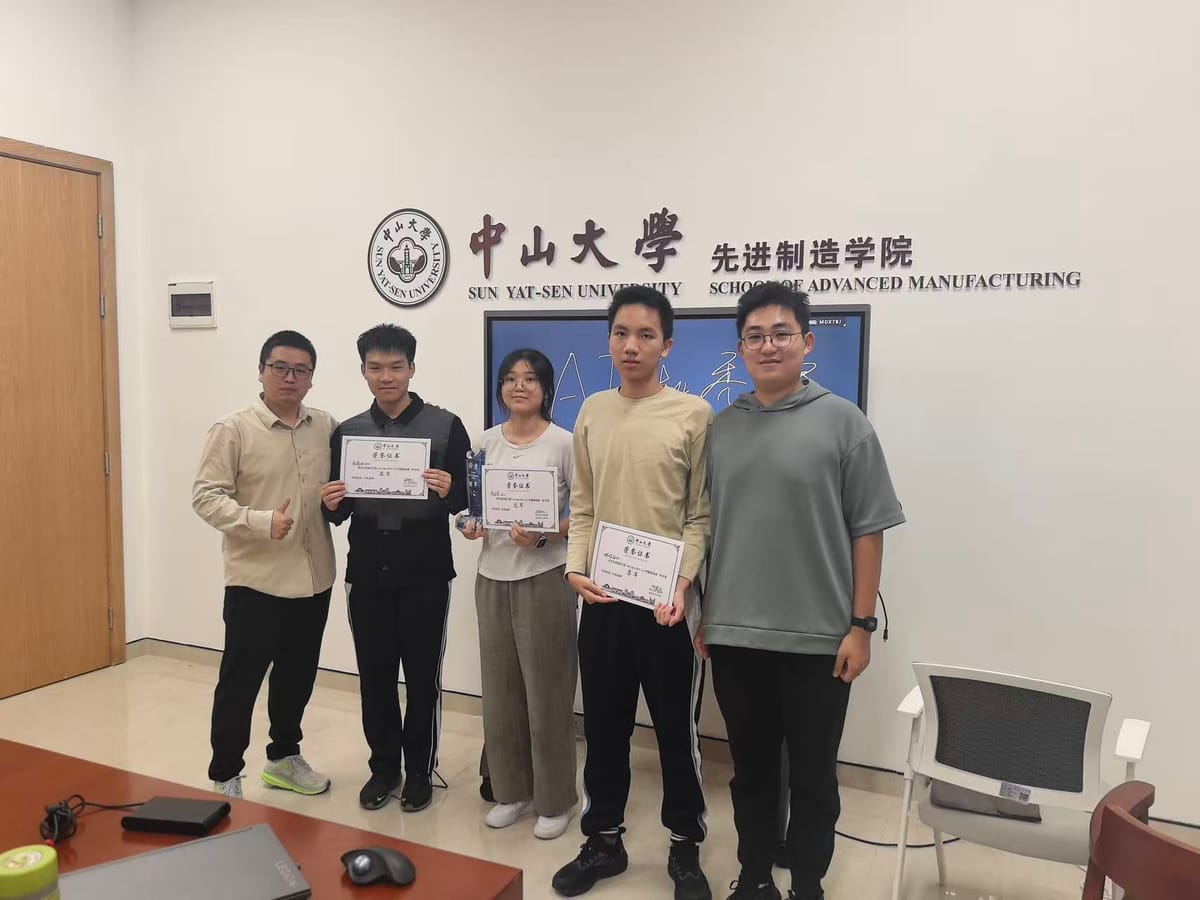
On 15 July 2026, results of the national finals of the 28th China Robot and Artificial Intelligence Competition were announced. Undergraduate teams guided by the Sun Yat-sen University Advanced Manufacturing Intelligence Laboratory (AI Cube Lab) won one national Second Prize and one Excellence Award.
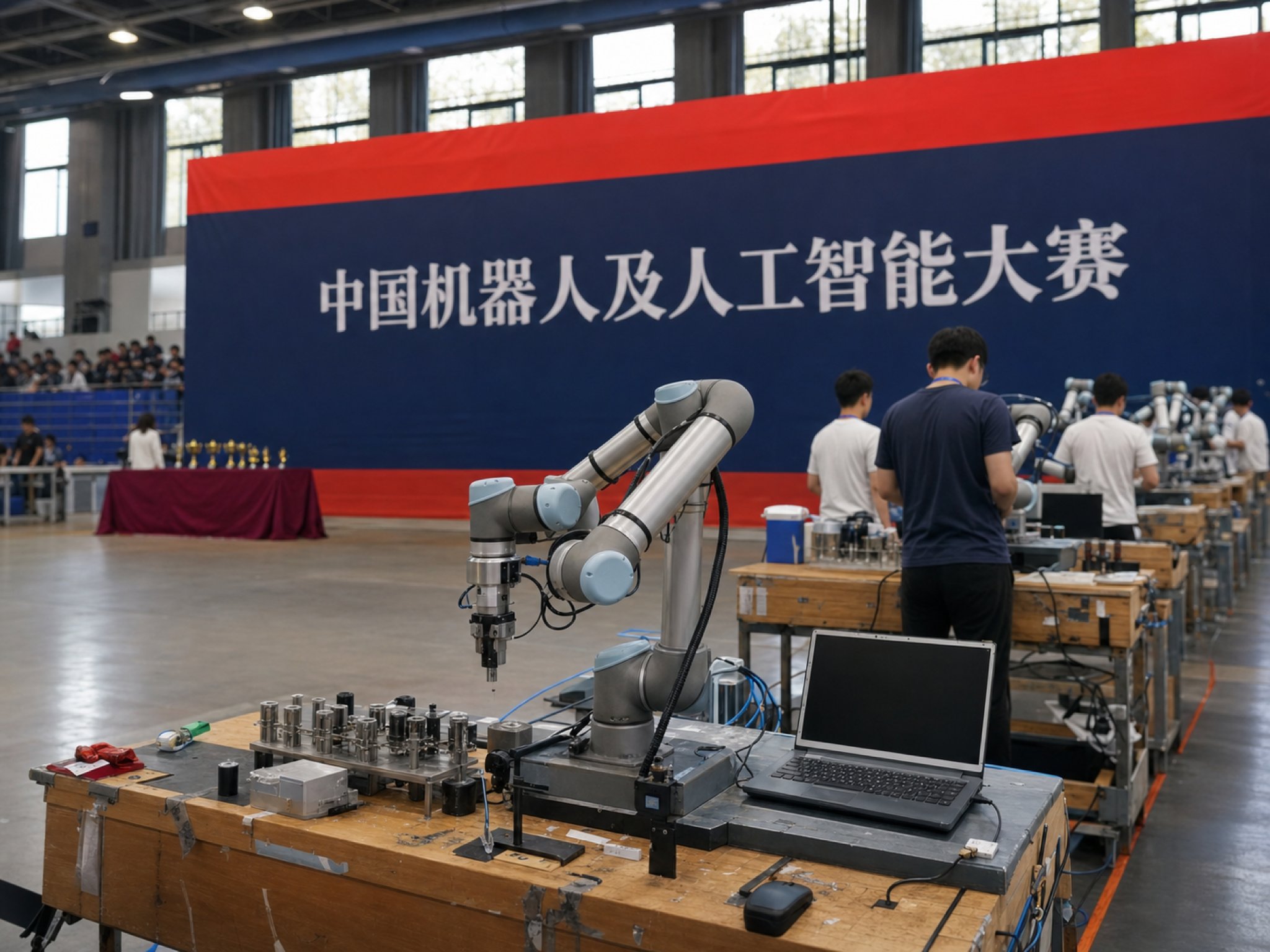
On 15 July 2026, results of the national finals of the 28th China Robot and Artificial Intelligence Competition were announced. Undergraduate teams guided by the Sun Yat-sen University Advanced Manufacturing Intelligence Laboratory (AI Cube Lab) won one national Second Prize and one Excellence Award, demonstrating the overall practical capability of the laboratory’s undergraduates at the intersection of robotics and artificial intelligence.
About the contest
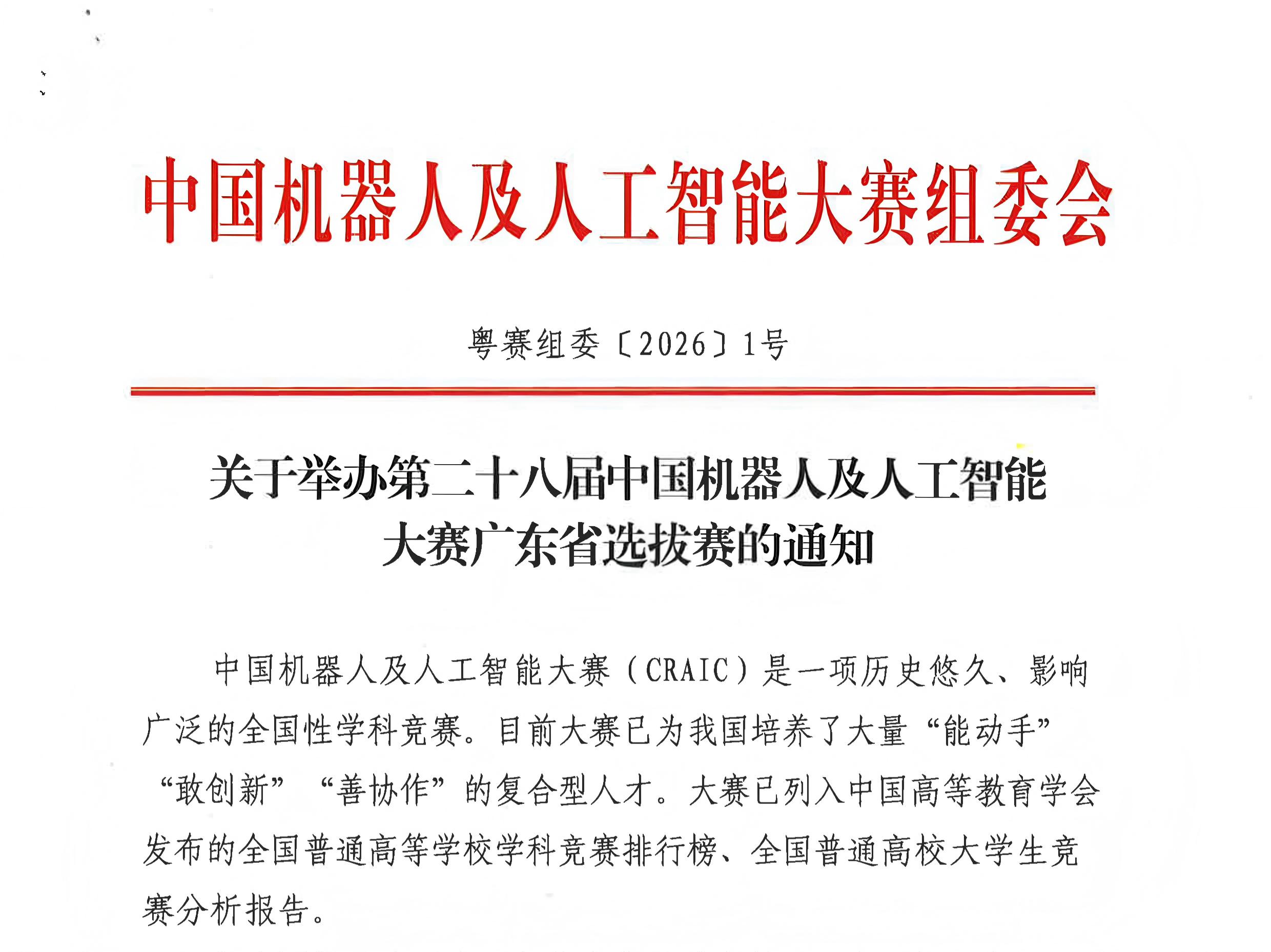
The China Robot and Artificial Intelligence Competition (CRAIC) is one of the longest-running and most influential academic contests in robotics and artificial intelligence in China. It covers robotic perception, control, decision-making, and intelligent algorithms, and places high demands on participating teams’ overall engineering capability. The contest is listed in the national ranking of university academic contests published by the China Association of Higher Education. It is an important platform for practice teaching and for the cultivation of innovation in related programs.
The national finals bring together teams recommended from provincial selection rounds and represent a high level of undergraduate competition in this field. Advancing from provincial selection to a national award is a comprehensive test of technical design, system implementation, and on-site performance.
From a double provincial recommendation to national awards
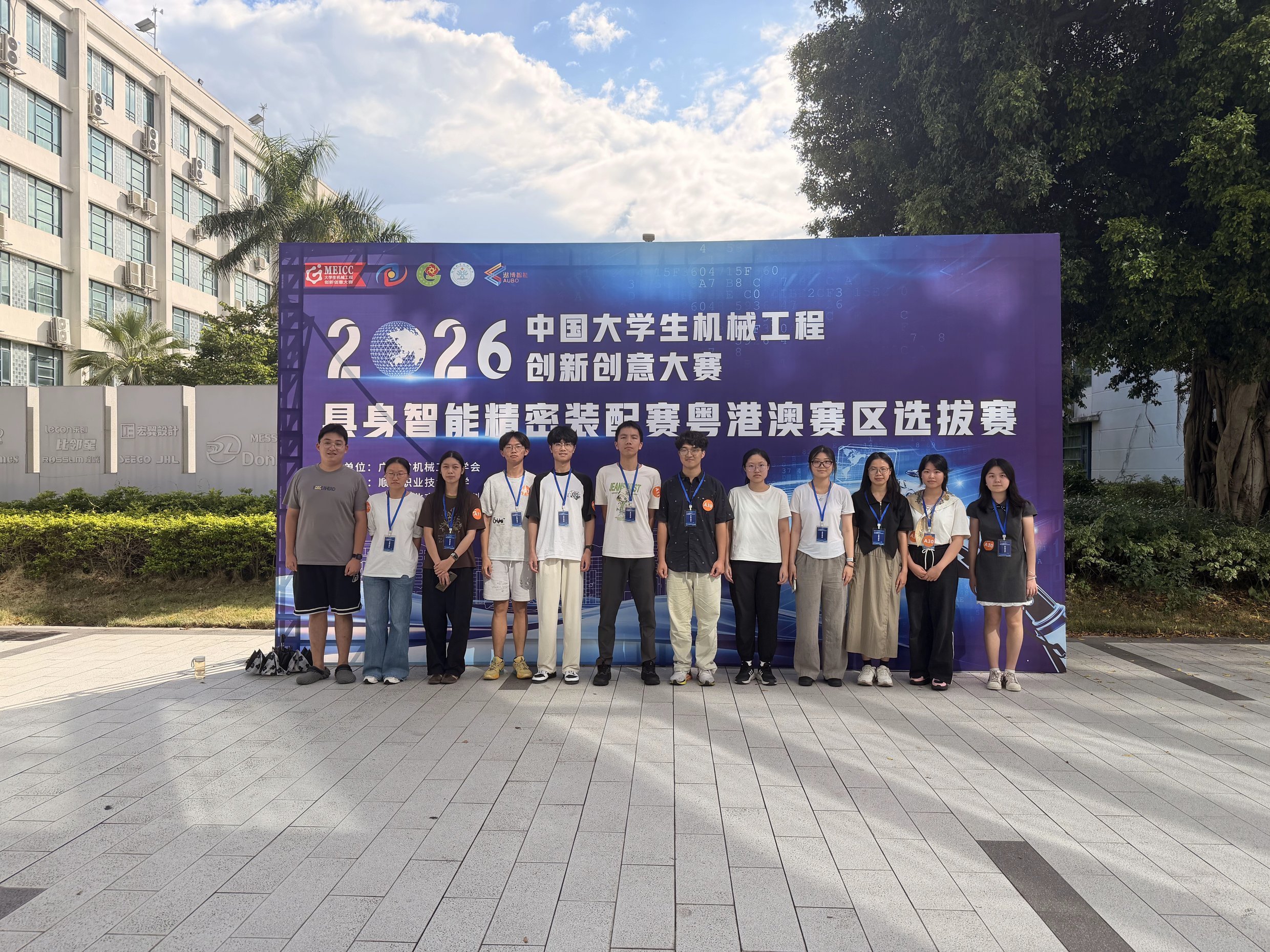
In June, two undergraduate teams from the laboratory both won Second Prize at the Guangdong selection round of the 28th China Robot and Artificial Intelligence Competition and were both recommended for the national finals, showing the overall strength of the laboratory’s undergraduates in robotics and AI practice. At the subsequent national finals, the two teams again achieved strong results, receiving a national Second Prize and an Excellence Award respectively.
Qualifying from Guangdong with two teams and then receiving two awards at the national finals is a continuous outcome of the same period of undergraduate training. That both teams were recognized on a higher-level stage indicates that the laboratory’s training in this direction has formed a relatively stable competitive strength.
Training
The laboratory has long encouraged undergraduates to take part in contests at an early stage, using real problems to train perception, control, decision-making, and system integration. Contests in robotics and artificial intelligence require students not only to master algorithms but also to deliver an engineering system that can run and be demonstrated, which is consistent with the laboratory’s orientation of rooting work in real industrial problems and training talent in real engineering settings.
This result is a further outcome of the laboratory’s model of learning through competition and research through competition. The laboratory will continue to use high-level academic contests as a vehicle, encouraging more undergraduates to receive systematic training at the intersection of robotics, artificial intelligence, and intelligent manufacturing, and working to cultivate interdisciplinary innovative talent with a solid theoretical foundation and strong engineering practice.